
As a coach, you have a unique opportunity to support your peers in their personal and professional growth. One area where you can provide valuable guidance is in understanding and addressing the Dunning-Kruger Effect. This psychological phenomenon can impact how individuals perceive their own abilities and make decisions. By helping your peers navigate the Dunning-Kruger Effect, you can empower them to foster growth, develop self-awareness, and make more informed choices. In this article, we will explore strategies for coaching peers to overcome the Dunning-Kruger Effect and unlock their true potential.
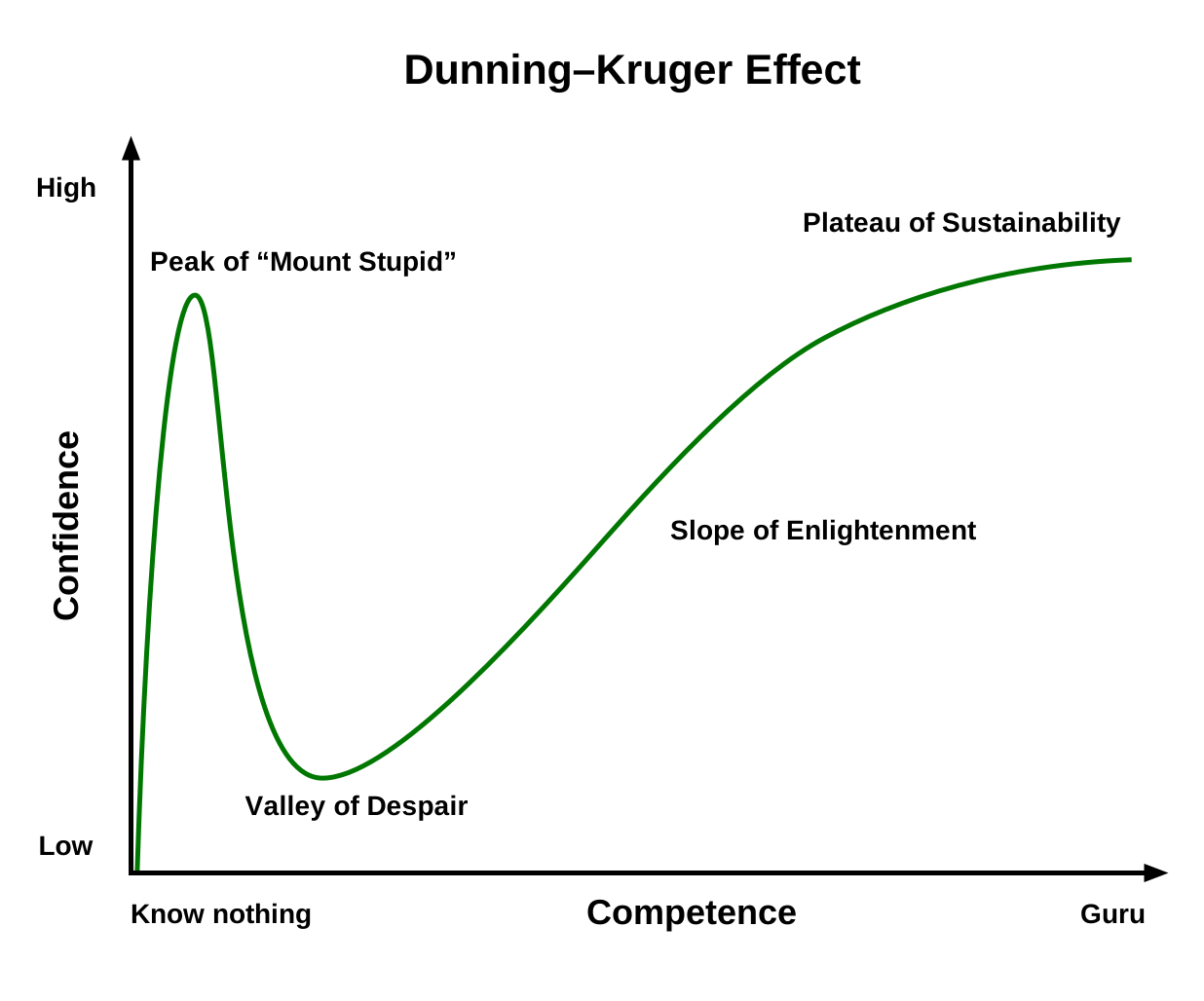
The Dunning-Kruger Effect highlights the tendency for individuals with low competence in a specific area to overestimate their abilities, while those with higher competence may underestimate themselves. Here’s how you can explain this concept to your peers:
- Illusory Superiority: Sometimes, individuals who lack expertise mistakenly believe they are better than they actually are, leading to overconfidence and inflated self-perception.
- Metacognitive Challenges: People with low competence may struggle to accurately assess their own performance due to limited self-reflection and awareness of their limitations.
- Competence Recognition: On the other hand, individuals with high competence may downplay their abilities, assuming others possess similar skills and underestimating their own expertise.
You can use the following strategies for addressing the Dunning-Kruger Effect:
- Create a Safe and Supportive Environment:
- setup a non-judgmental and supportive space where peers feel comfortable discussing their strengths, weaknesses, and areas for improvement.
- Encourage open and honest conversations about individual competencies, helping them understand the importance of accurate self-assessment.
- Provide Constructive Feedback:
- Offer specific and constructive feedback to help peers gain a realistic understanding of their abilities.
- Balance praise with areas for improvement, guiding them towards self-awareness and growth.
- Encourage Self-Reflection:
- Promote self-reflection as a regular practice for peers to critically assess their performance and identify areas for development.
- Help them identify patterns, biases, and assumptions that may influence their self-perception and decision-making.
- Encourage Continuous Learning:
- Emphasize the value of ongoing learning and skill development.
- Encourage peers to seek out opportunities for growth, such as attending workshops, taking courses, or engaging in peer-to-peer learning.
- Facilitate Peer Feedback and Collaboration:
- Encourage peers to provide each other with constructive feedback and support.
- Foster an environment where peers can learn from one another’s experiences and perspectives.
As a coach working with peers, you have the power to help them navigate the Dunning-Kruger Effect, fostering growth, self-awareness, and effective decision-making. By creating a safe and supportive environment, providing constructive feedback, encouraging self-reflection, promoting continuous learning, and facilitating peer feedback and collaboration, you can guide your peers towards unlocking their true potential. Remember, coaching is a long journey, customized, and it requires patience, empathy, and ongoing support. By employing these strategies, you can make a positive impact on the personal and professional growth of your peers, leading to collective success and fulfillment.